Kilimanjaro summit: how hard it is, altitude and safety
Find a tour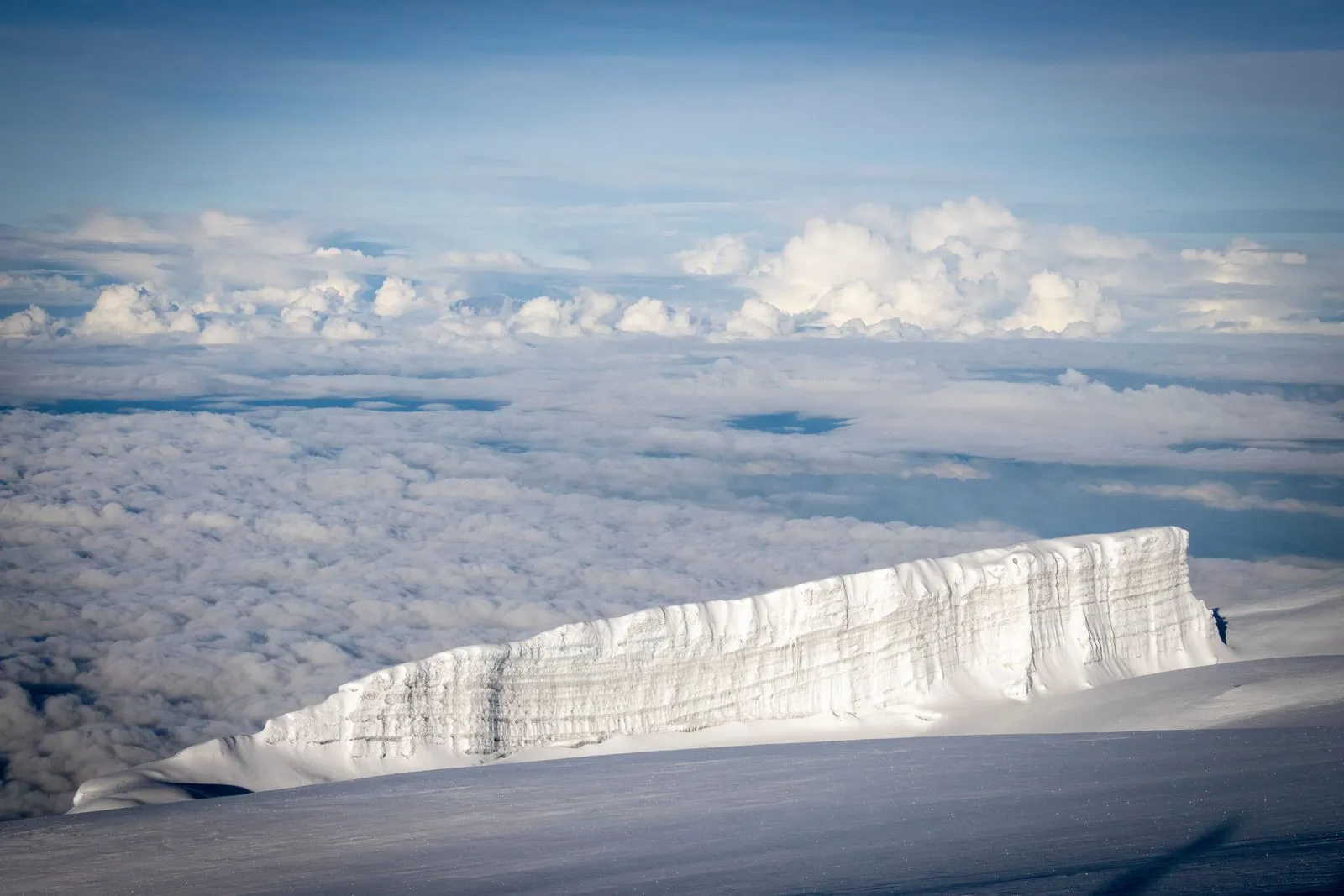
- Summit height
- 5,895 m (Uhuru Peak)
- Highest mountain in Africa
- Climbing skill
- No technical skills
- Even fit trekkers may get altitude sickness
- Days to allow
- 7–8 days
- Best for acclimatisation, says Altezza Travel
- Summit night cold
- -18°C to -26°C
- Night-time range at Uhuru Peak
How hard is it to climb Kilimanjaro?
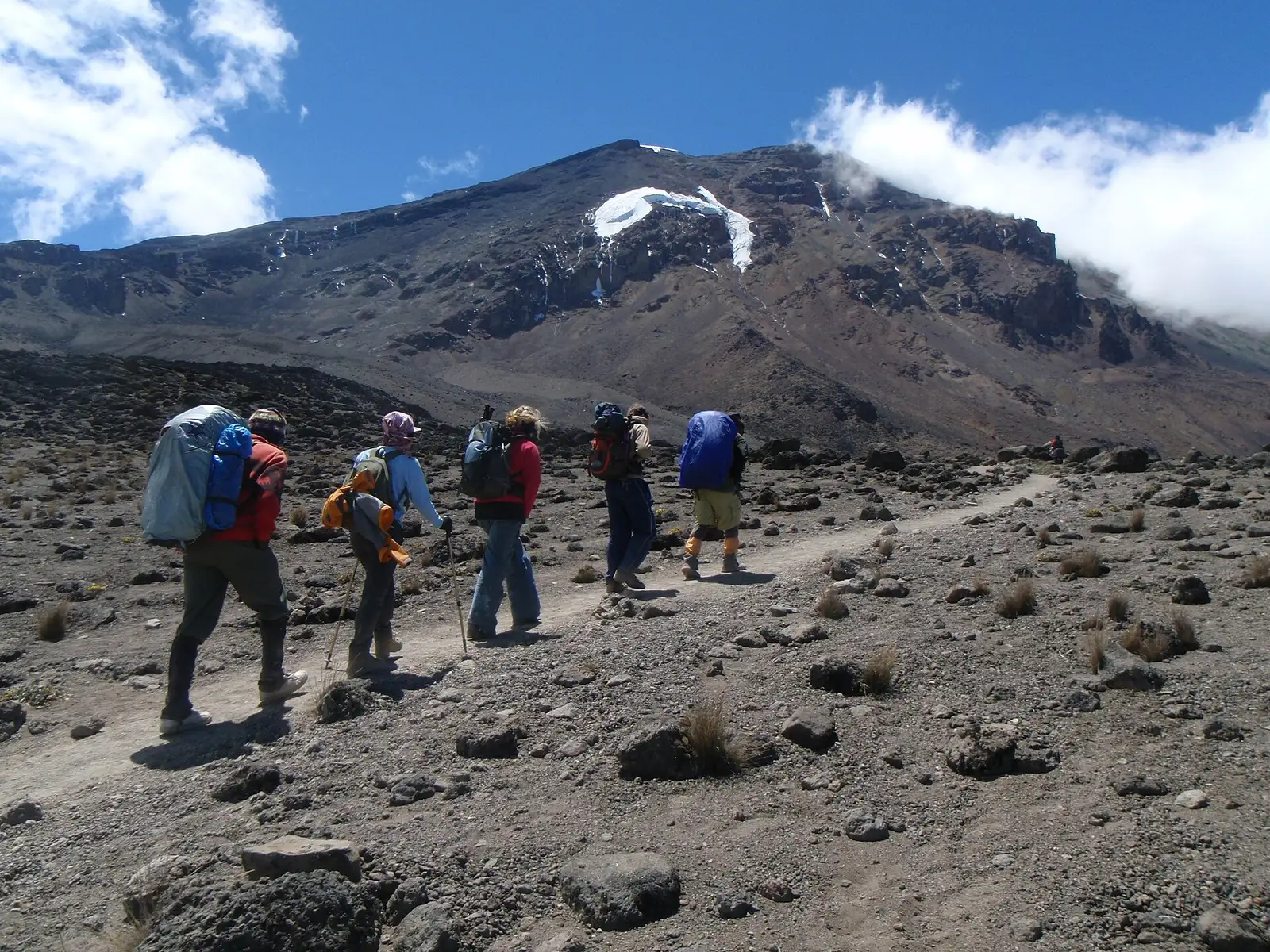
Kilimanjaro is hard because of the altitude, not the terrain. The climb is not as technically challenging as climbs in the Himalayas or Andes, yet even experienced, physically fit trekkers may get some degree of altitude sickness1.
Mountain Kingdoms, a trekking company, grades the climb Strenuous4. It says Kilimanjaro is typically more physically demanding than the Everest Base Camp trek4, because of the rapid ascent and steep descent. There’s more on that in Kilimanjaro versus Everest Base Camp difficulty.
Your odds of standing on top:
- Across all climbers and routes, an average of 70–80%1 reach the summit.
- In one study cited by Wikipedia, 61.3% of climbers made it and 77%1 had acute mountain sickness.
- Wikivoyage warns of a 75%3 risk of altitude sickness on the usual fast itineraries.
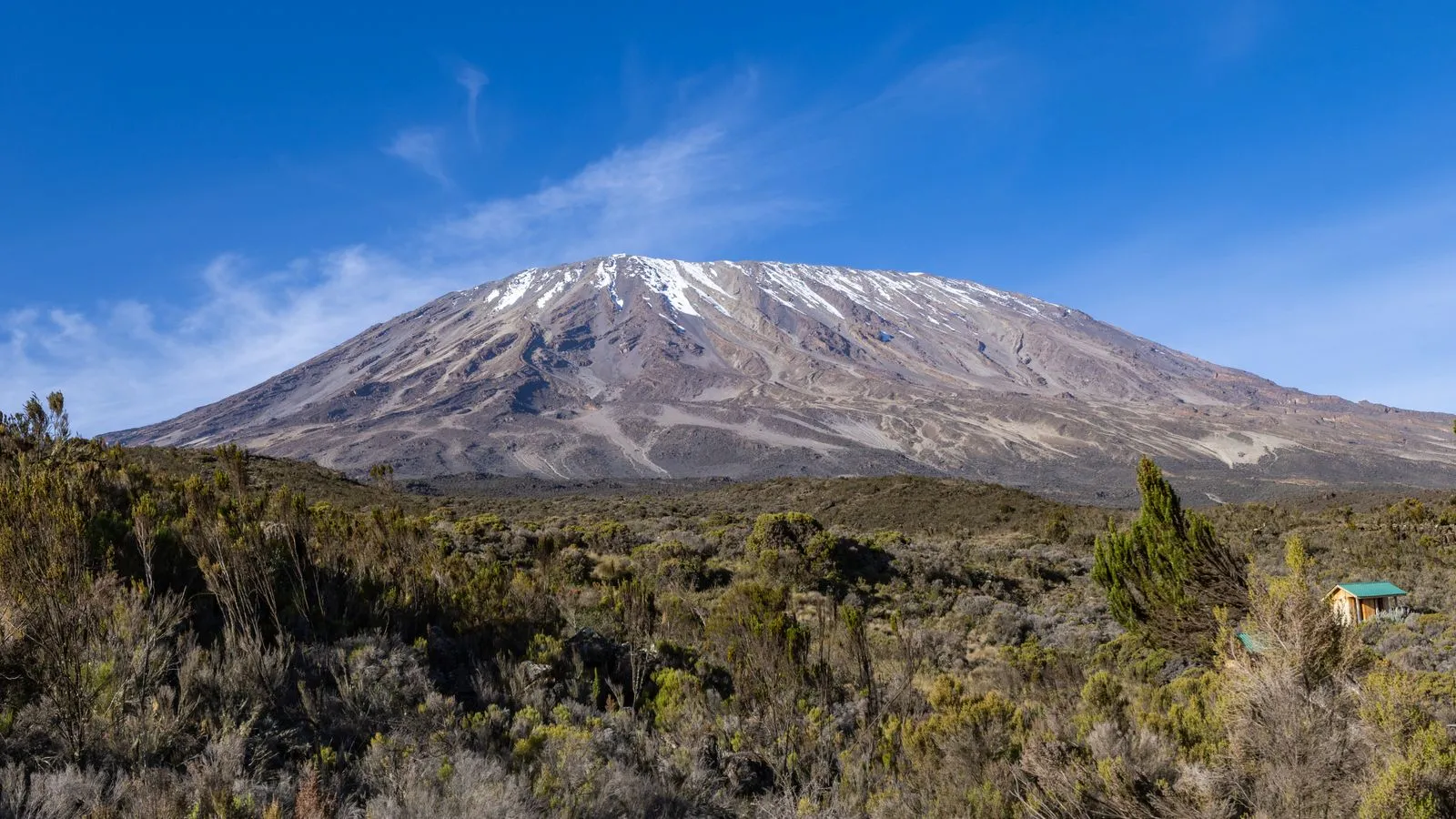
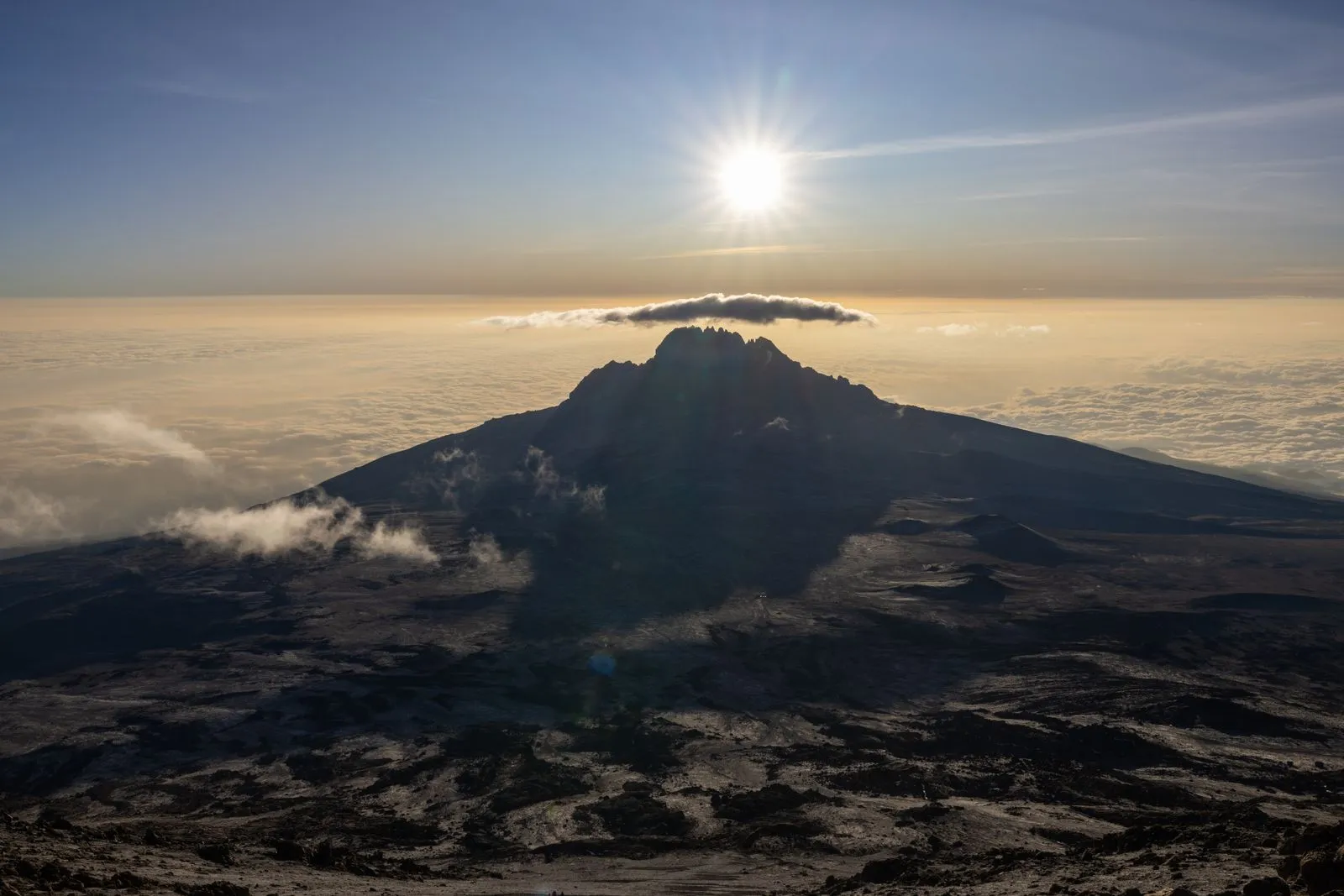
The top trekkers aim for is Uhuru Peak on Kibo, the highest of three volcanic cones1. Mawenzi, the second-highest peak at 5,149 m5, is a different matter: Tanzania National Parks calls it a rugged, technical climb6.
Things to know before you go
These are the points that shape your chances of reaching Uhuru Peak:
- A guide is compulsory. You must have a licensed guide3 to climb. For group or private trips, see comparing Kilimanjaro climb guide options.
- Time beats fitness. Altezza Travel says proper acclimatisation, not hiking skill2, is what gets you up. The CDC says extra time helps acclimatisation, whichever route you take7.
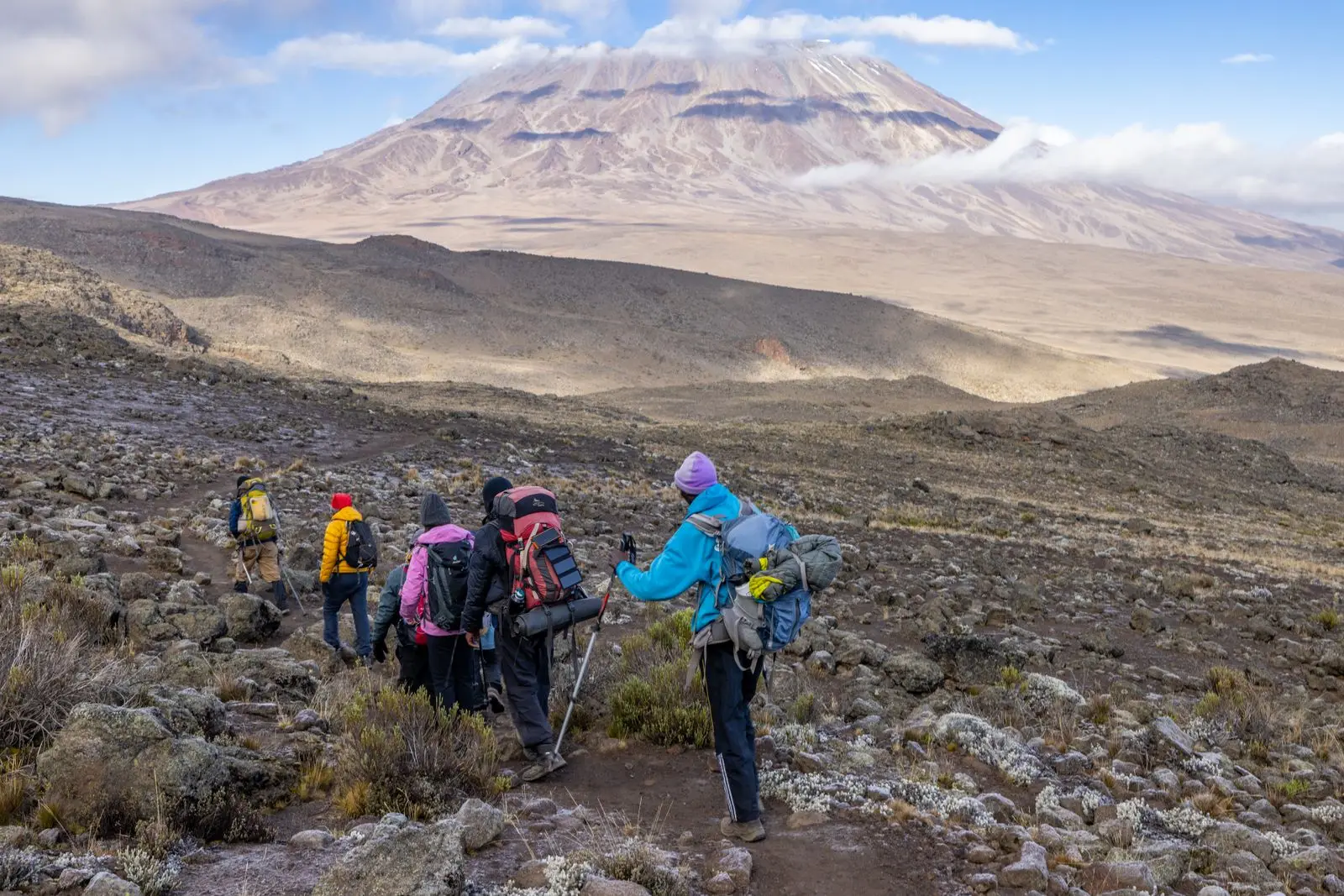
- Slow is the plan. Peak Planet says the main reason a climb takes so long is that the pace is slowed on purpose8.
- Drink a lot. Ultimate Kilimanjaro recommends 4–5 litres of water a day, and says dehydration can mask or worsen the symptoms of altitude sickness9.
- The sun is fierce. Tusker Trail says the sun at Uhuru Peak is 60–72% more intense than at sea level, and advises sunscreen of SPF 5010 or higher, reapplied often.
- Expect any weather. The mountain creates its own weather3, so pack for wet days and cold nights. January, February and September3 are considered the best months for weather.
- You’re in a national park. Kilimanjaro National Park protects the mountain above 2,700 m3, and Altezza Travel asks you not to feed wild animals11 in the parks.
The about Mount Kilimanjaro guide covers the cones, heights and history.
Summit night: what happens and what to wear
Summit night starts from a high camp, climbs to Uhuru Peak and comes back down in one long push. Here’s how it runs on Wikivoyage’s itineraries for the Marangu Route and the Machame Route:
| Route | High camp | Up to Uhuru Peak | Down |
|---|---|---|---|
| Marangu Route | Kibo hut, 4,700 m3 |
8 hours3 |
6 hours3 to Horombo hut |
| Machame Route | Barafu camp, 4,550 m3 |
8 hours3 |
7–8 hours to Mweka, 3,100 m3 |
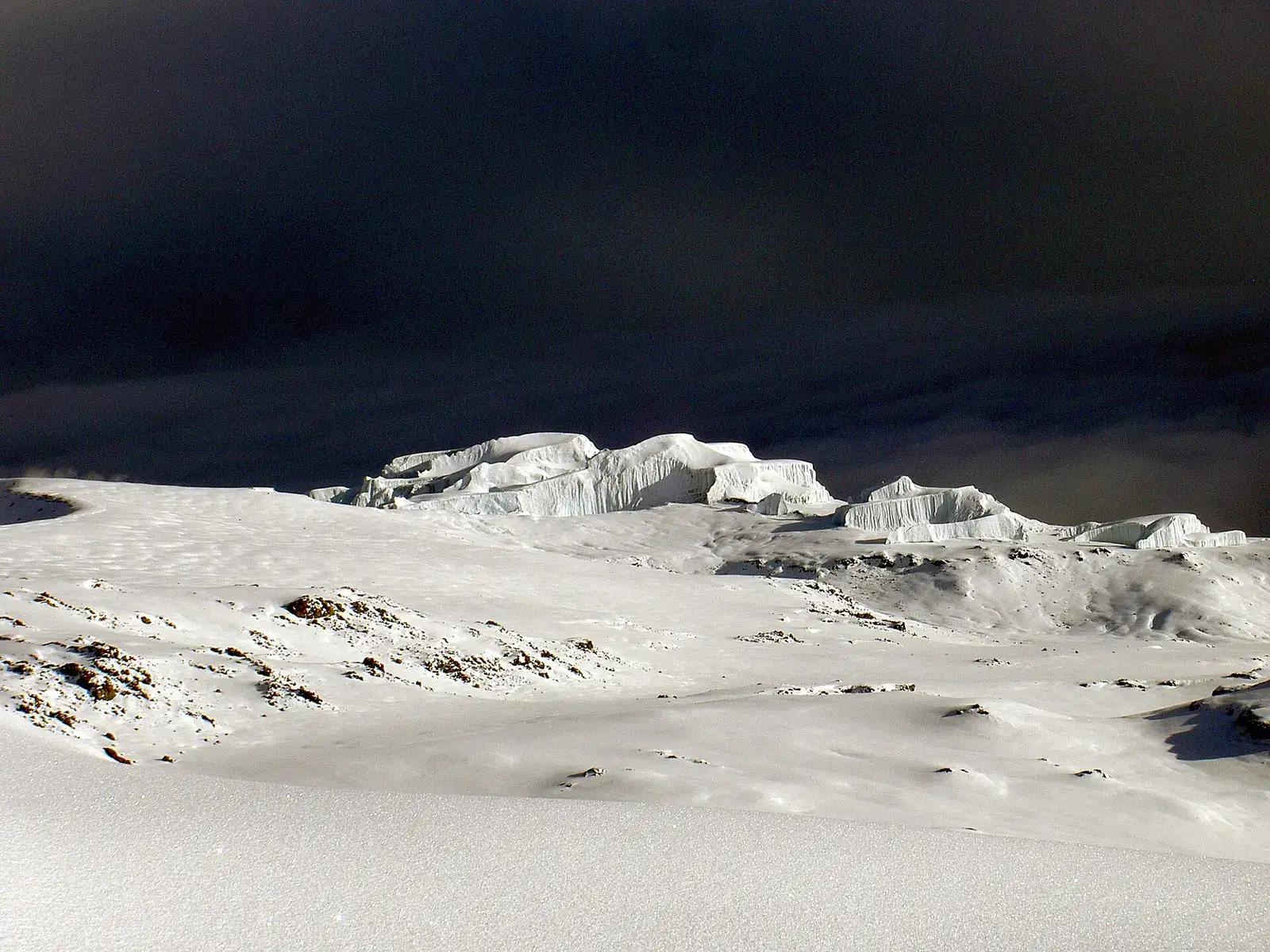
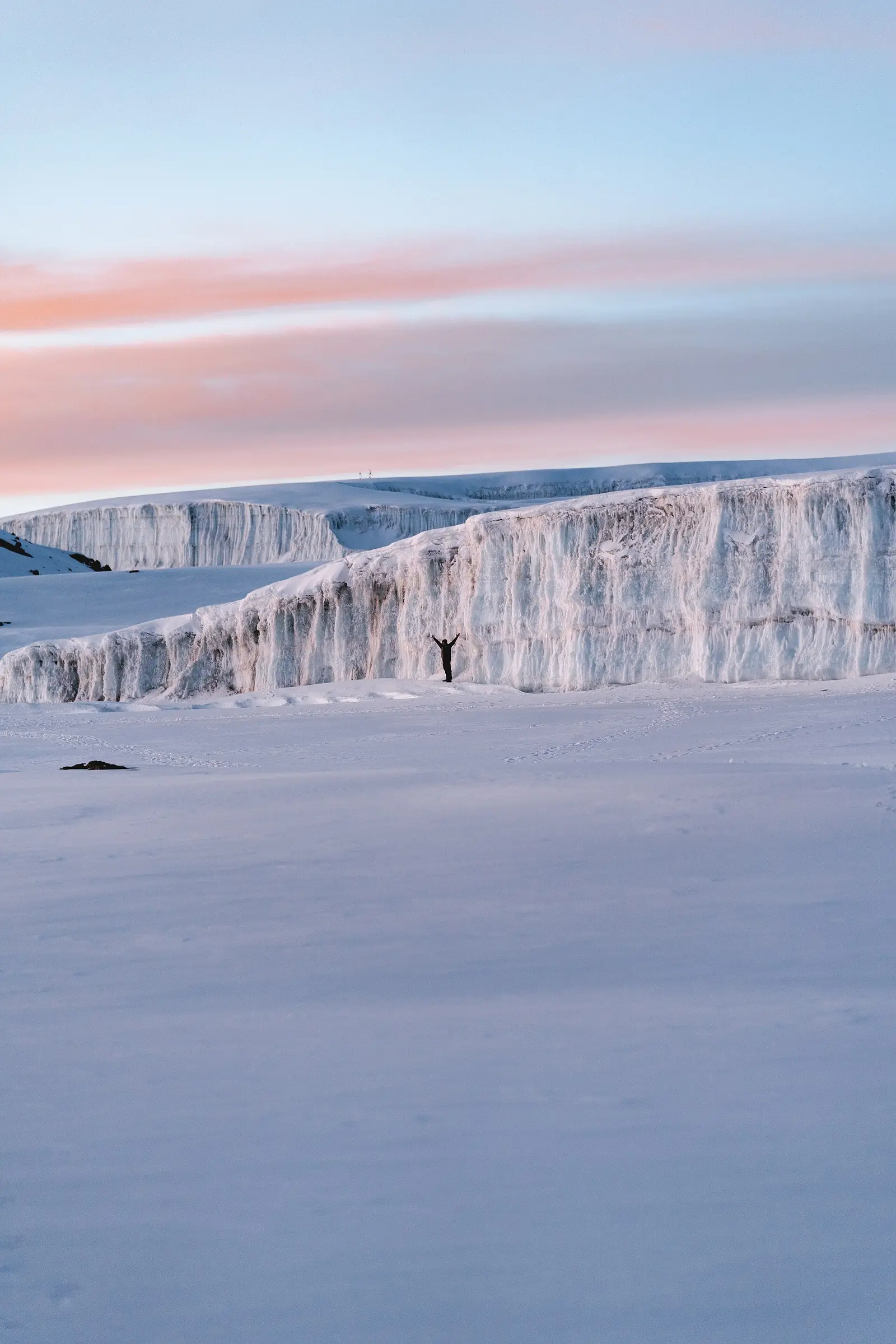
At Uhuru Peak, night-time temperatures can range from -18°C to -26°C3. Dress for that, not for the sunny days lower down:
- Layers: Altezza Travel says it can get as warm as 15°C on sunny days, so thermals are best kept for summit night12.
- Hands: Altezza Travel suggests fleece gloves with warm mittens over them12.
- Eyes: wear sunglasses near the summit even when it’s cloudy13. Altezza Travel rents UV-protection mountain sunglasses for USD 3012 for the expedition.
- Skin and lips: Tusker Trail says many trekkers get sunburnt ears, nostrils and under their chins, and that wind, sun and snow glare can quickly chap your lips10.
The full summit night clothing and kit list has the rest. Travelling alone? Duma Explorer says a group climb gives you company on summit night14.
How many days do you need?
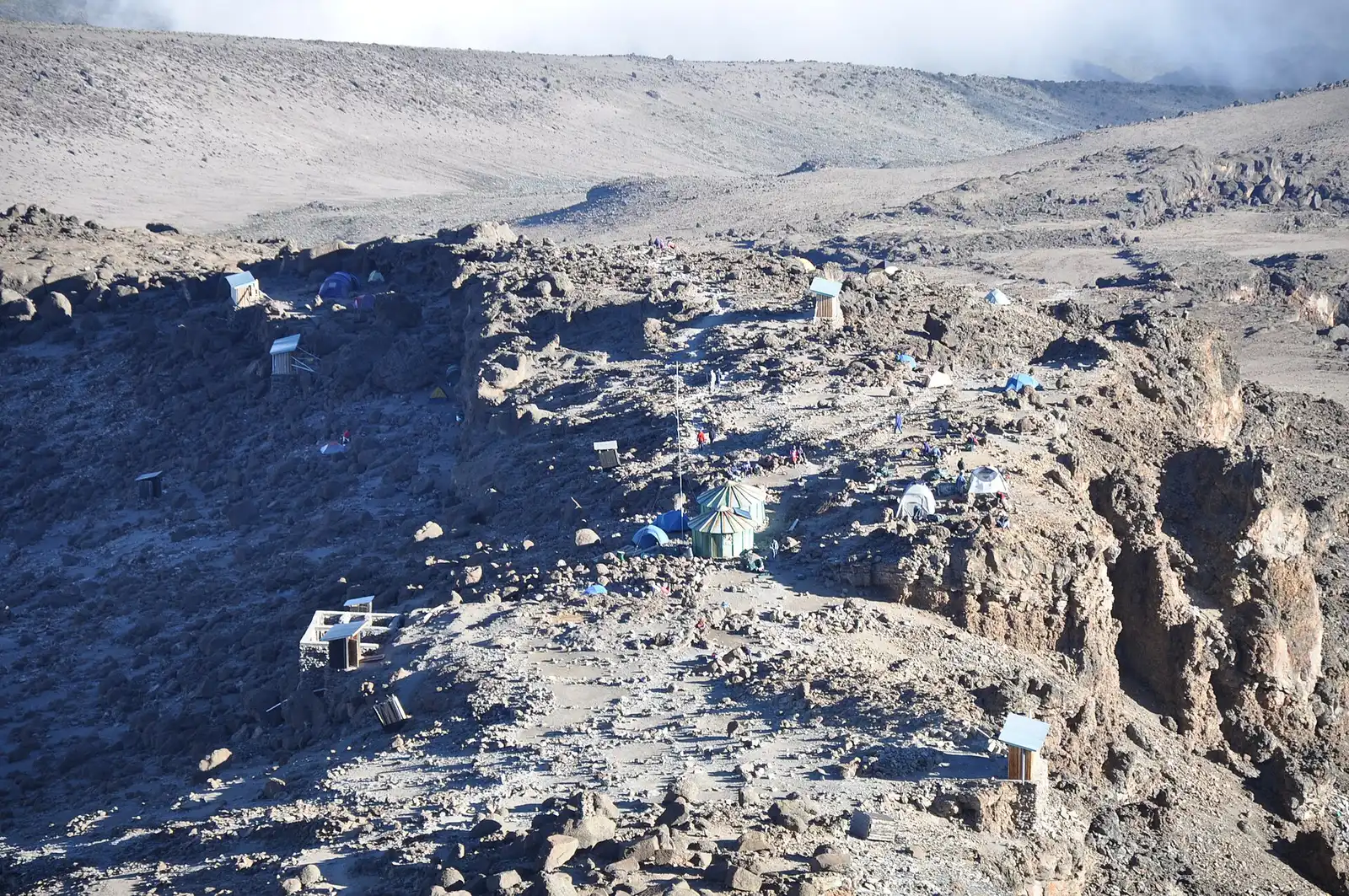
Allow 7–8 days2 on the mountain: Altezza Travel says acclimatisation is best achieved on a route that long. Wikivoyage goes further and suggests climbing more slowly, adding up to 4 extra days3.
| Route | Days to allow |
|---|---|
| Marangu Route | 5–6 days3 (usual length) |
| Machame Route | 7 days15 |
| Rongai Route | 7 days15 |
| Shira Route | 7 days15 |
| Lemosho Route | 8 days15 |
| Northern Circuit | at least 9 days15 |
The Marangu length is Wikivoyage’s; the rest are Adventure Alternative’s recommendations. To weigh them up, see which Kilimanjaro route suits you.
Altezza Travel puts the average standard 7-day expedition at USD 2,500–USD 3,50016 per person. The full picture is in what a Kilimanjaro climb costs.
A simple Kilimanjaro summit plan
This plan follows Wikivoyage’s itinerary for the Marangu Route, the hut route that usually takes 5–6 days3, with an acclimatisation day at Horombo hut.
-
Base yourself in Arusha or Moshi
Climbers usually stay in Arusha or Moshi before the climb.
-
Drive to Marangu Gate
From Arusha the drive takes about 2–3 hours. The trail starts at the gate, at 1,980 m.
-
Mandara hut to Horombo hut
A 6-hour hike from Mandara hut (2,700 m) to Horombo hut (3,720 m).
-
Acclimatisation day
A rest day at Horombo hut, if you need it, to let your body adjust.
-
Horombo hut to Kibo hut
A 6-hour hike up to Kibo hut at 4,700 m, the base for the summit push.
-
Summit night
About 8 hours from Kibo hut to Uhuru Peak (5,895 m), then 6 hours down to Horombo hut.
-
Down to Marangu Gate
A 6-hour walk from Horombo hut back down to the gate at 1,980 m.
- 1,980 m Marangu Gate
- 2,700 m Mandara hut
- 3,720 m Horombo hut
- 4,700 m Kibo hut
- 5,895 m Uhuru Peak
Wikivoyage
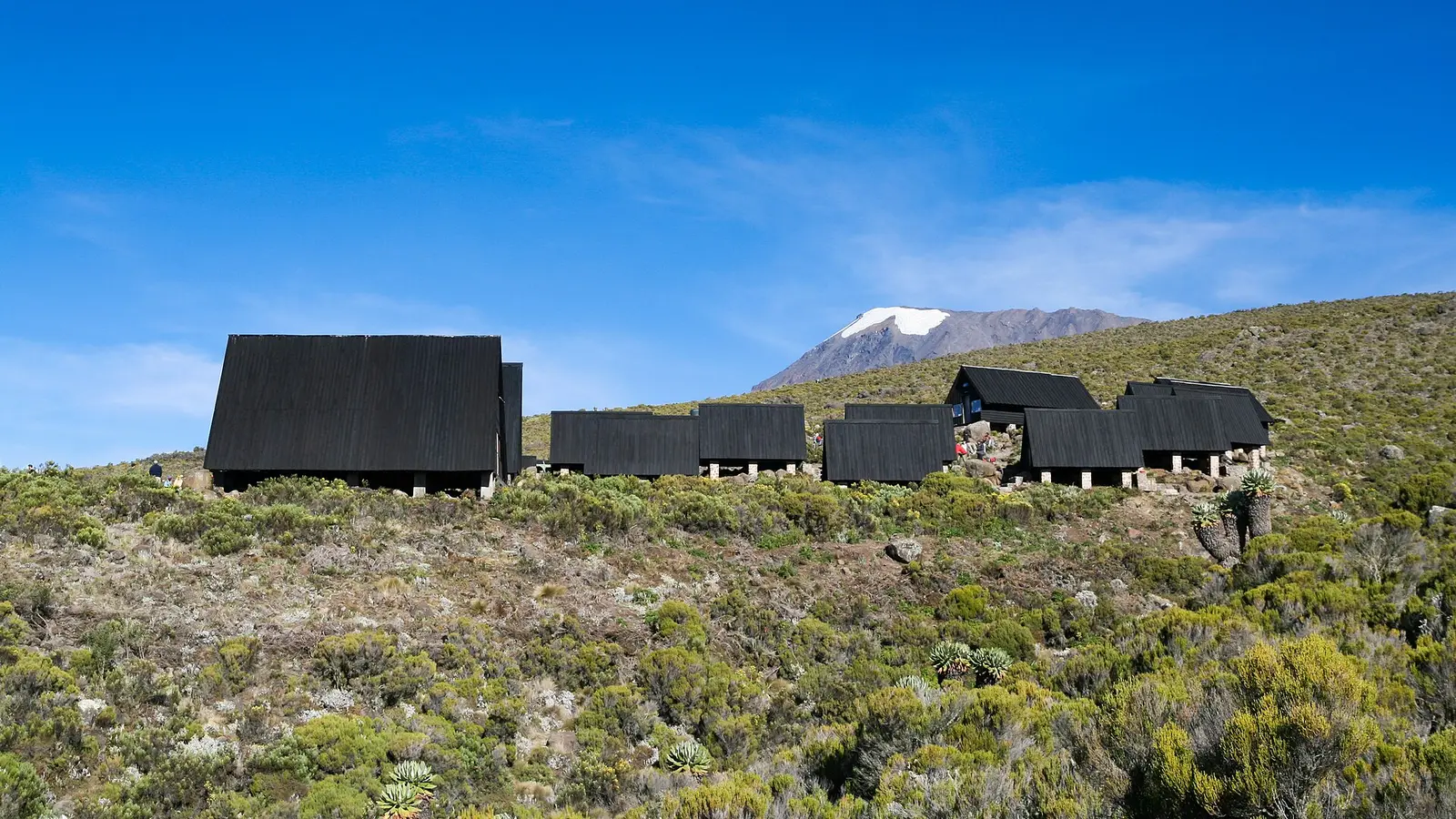
For booking, permits and money, read how do I climb Kilimanjaro.
Safety and health on the mountain
Altitude illness is the main danger on Kilimanjaro. The CDC calls it the most common risk mountain climbers face, and it usually strikes at 3,048 m7 or higher.
- Deaths are rare but real. Altezza Travel puts deaths at 3 to 10 a year, mainly from extreme cases of altitude sickness20.
- Fluid on the lungs. In a study at the region’s main referral hospital, high-altitude pulmonary edema (HAPE) caused 16 of the 2121 deaths during climbs.
- Medication. The CDC says climbers taking acetazolamide were much less likely to get acute mountain sickness on 5-day7 ascents.
- Malaria. Kandoo Adventures says there’s usually no malaria on Kilimanjaro, but Moshi and Arusha are still relatively high-risk zones22. It advises a repellent high in DEET22 on skin, clothes and bedding.
- Animals. Altezza Travel says you won’t come across dangerous lions or other predators, but don’t leave snacks out at camp because of ravens23.
Helicopter rescues are flown by KiliMedAir24, which Duma Explorer says is authorised by TANAPA. Helicopters can’t normally reach the summit or crater: the highest landing zone is Kosovo Camp, at about 4,900 m24.
Evacuated climbers are mostly taken to KCMC (Kilimanjaro Christian Medical Centre) in Moshi24. Duma Explorer says it has intensive care, diagnostic imaging and surgery24.
Questions people ask
Is it hard to breathe on Kilimanjaro?
Altitude is the challenge: altitude illness usually starts at 3,048 m or higher, and Uhuru Peak is 5,895 m. In a regional hospital study, fluid on the lungs (HAPE) was the main reason for admission.
Do you need oxygen for Kilimanjaro?
Altezza Travel says acclimatisation on a 7–8-day route matters more than skill. Some operators carry emergency oxygen: Tranquil Kilimanjaro lists emergency oxygen and medical kits as included, on request.
Photos: Wikimedia Commons and Pexels. Authors and licences: image credits
Checked against 28 sources · last checked November 2026
- Wikipedia · checked November 2026
- Altezza Travel (operator) · checked November 2026
- Wikivoyage · checked November 2026
- Mountain Kingdoms (tour company) · checked November 2026
- artsandculture.google.com (official) · checked November 2026
- tanzaniaparks.go.tz (official) · checked November 2026
- CDC (official) · checked November 2026
- Peak Planet (operator) · checked November 2026
- Ultimate Kilimanjaro (operator) · checked November 2026
- Tusker Trail (operator) · checked November 2026
- Altezza Travel (tour company) · checked November 2026
- Altezza Travel (operator) · checked November 2026
- Altezza Travel (tour company) · checked November 2026
- Duma Explorer (operator) · checked November 2026
- Adventure Alternative (tour company) · checked November 2026
- Altezza Travel (operator) · checked November 2026
- The Citizen (news) · checked November 2026
- riotimesonline.com (news) · checked November 2026
- Kandoo Adventures (tour company) · checked November 2026
- Altezza Travel (operator) · checked November 2026
- ebi.ac.uk · checked November 2026
- Kandoo Adventures (operator) · checked November 2026
- Altezza Travel (operator) · checked November 2026
- Duma Explorer (operator) · checked November 2026
- Ascend Tanzania (operator) · checked November 2026
- Easy Travel (tour company) · checked November 2026
- Tranquil Kilimanjaro (operator) · checked November 2026
- Tranquil Kilimanjaro (operator) · checked November 2026
Page history · last changed 28 November 2026
- First written